
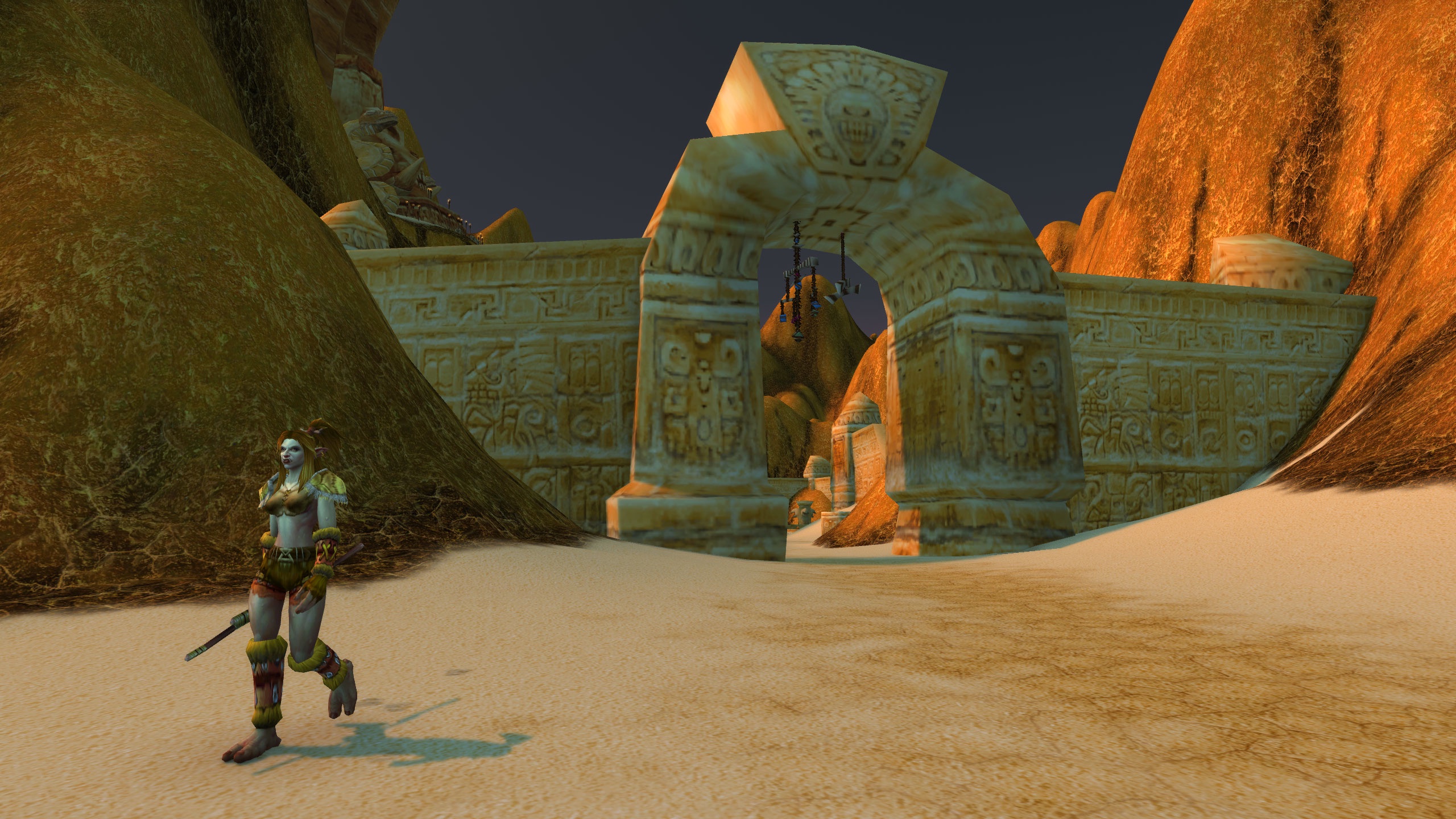
Since its launch in 2004, World of Warcraft has gone through a dramatic transformation in its storytelling. What began as a loose collection of quests and faction conflicts has evolved into an expansive, cinematic narrative spanning multiple dimensions, ancient conflicts, and deep character arcs. Over the years, Blizzard has refined its approach to storytelling, incorporating new techniques, voice acting, and in-game cinematics to create a more immersive experience. Let’s explore how WoW’s storytelling has changed over the past two decades.
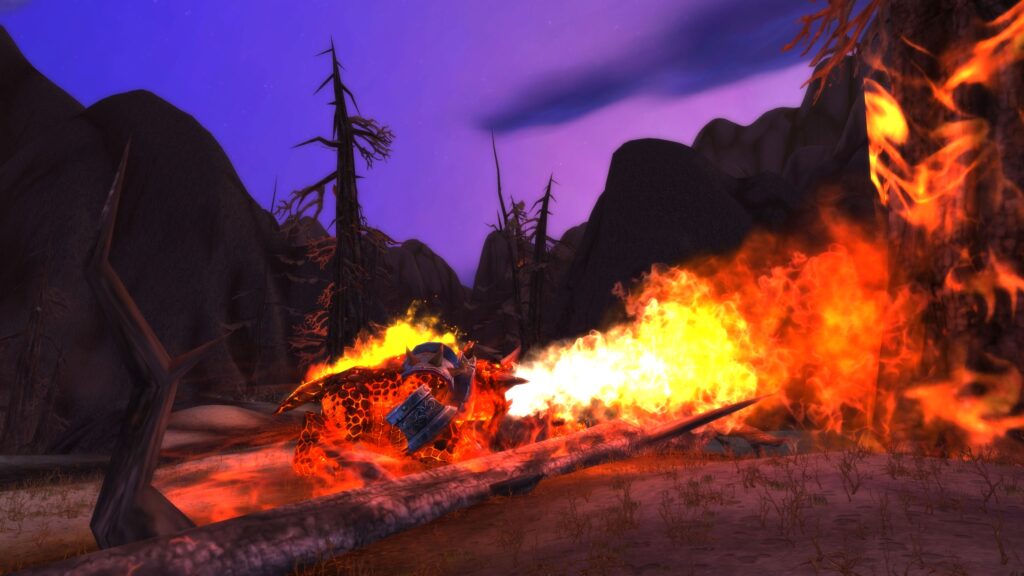
1. Classic WoW – A World Built on Player Discovery
In WoW Classic, storytelling was primarily environmental. Players uncovered the world’s history through quest text, scattered lore books, and their own exploration.
Key Features of Classic Storytelling:
- Minimal voice acting and cutscenes.
- Quests often felt disconnected, serving as world-building rather than structured narrative arcs.
- Factions and characters were more ambiguous, with no clear “main story” guiding players.
Despite this, Classic WoW’s storytelling was deeply immersive because it relied on player curiosity and exploration to uncover hidden lore.
2. Wrath of the Lich King – A More Focused Narrative
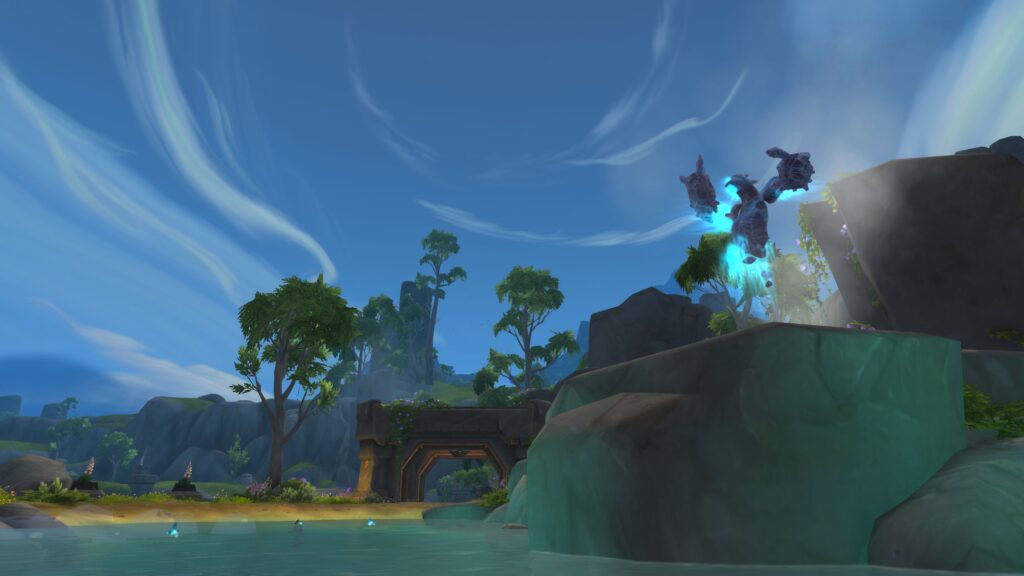
Wrath of the Lich King (2008) marked a turning point in WoW’s storytelling, introducing a central villain—Arthas Menethil—who actively taunted players throughout their journey in Northrend.
Storytelling Innovations:
- More quest chains that followed a single narrative arc.
- Increased use of voice acting to bring NPCs to life.
- Phasing technology allowed the world to change as players progressed through the story.
This expansion made storytelling feel more personal, allowing players to feel like they were directly involved in shaping the world’s events.
3. Legion – Cinematic Storytelling at Its Peak
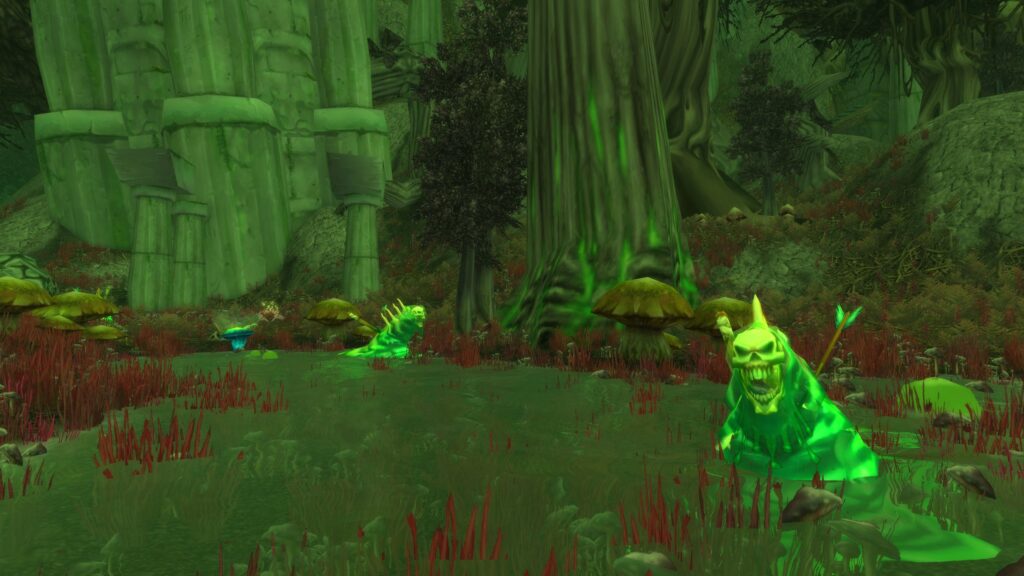
By the time Legion (2016) arrived, Blizzard had fully embraced cinematic storytelling. The expansion featured highly detailed cutscenes, voice-acted questlines, and deeply personal character arcs.
Notable Storytelling Advances:
- Major characters like Illidan Stormrage and Sylvanas Windrunner had complex development.
- Zone-specific storylines tied into a larger, world-spanning conflict.
- Class Order Halls gave players a personal stake in the fight against the Legion.
Legion set the standard for modern WoW storytelling, making the player feel like a key figure in the unfolding drama.
4. Shadowlands – A Controversial Narrative Experiment
Shadowlands (2020) pushed WoW’s story into cosmic territory, exploring the afterlife and the origins of death itself. However, its execution was divisive among players.
Mixed Reception:
- Introduced new lore about the First Ones and the Shadowlands, but some felt it was disconnected from core Warcraft themes.
- Characters like Sylvanas had controversial arcs that split the player base.
- Story-heavy mechanics like Covenants added depth but felt restrictive.
While ambitious, Shadowlands highlighted the challenges of balancing expansive lore with player expectations.
Final Thoughts: The Future of WoW’s Storytelling
WoW’s storytelling has come a long way from simple quest text to fully cinematic narratives. Blizzard continues to refine its approach, balancing world-building with character-driven arcs.
As the game moves into its next expansion, players can expect deeper stories, more immersive cutscenes, and evolving character dynamics. WoW’s history has proven that storytelling is one of its greatest strengths, and the next chapter in Azeroth’s saga is sure to be another epic adventure.
Home